Air Ventilation Cleaning: Breathe Better With These Vital Tips
Air duct maintenance is crucial for sustaining a clean indoor environment. It removes dust, allergens, and pollutants that can impact air quality. Identifying when ducts require attention is vital for optimal HVAC performance. Homeowners often disregard the tools and techniques essential for effective cleaning. Comprehending these components can greatly impact comfort and energy savings. What actions should one follow to guarantee cleaner air and a more efficient system?
How Air Duct Cleaning Promotes Your Health
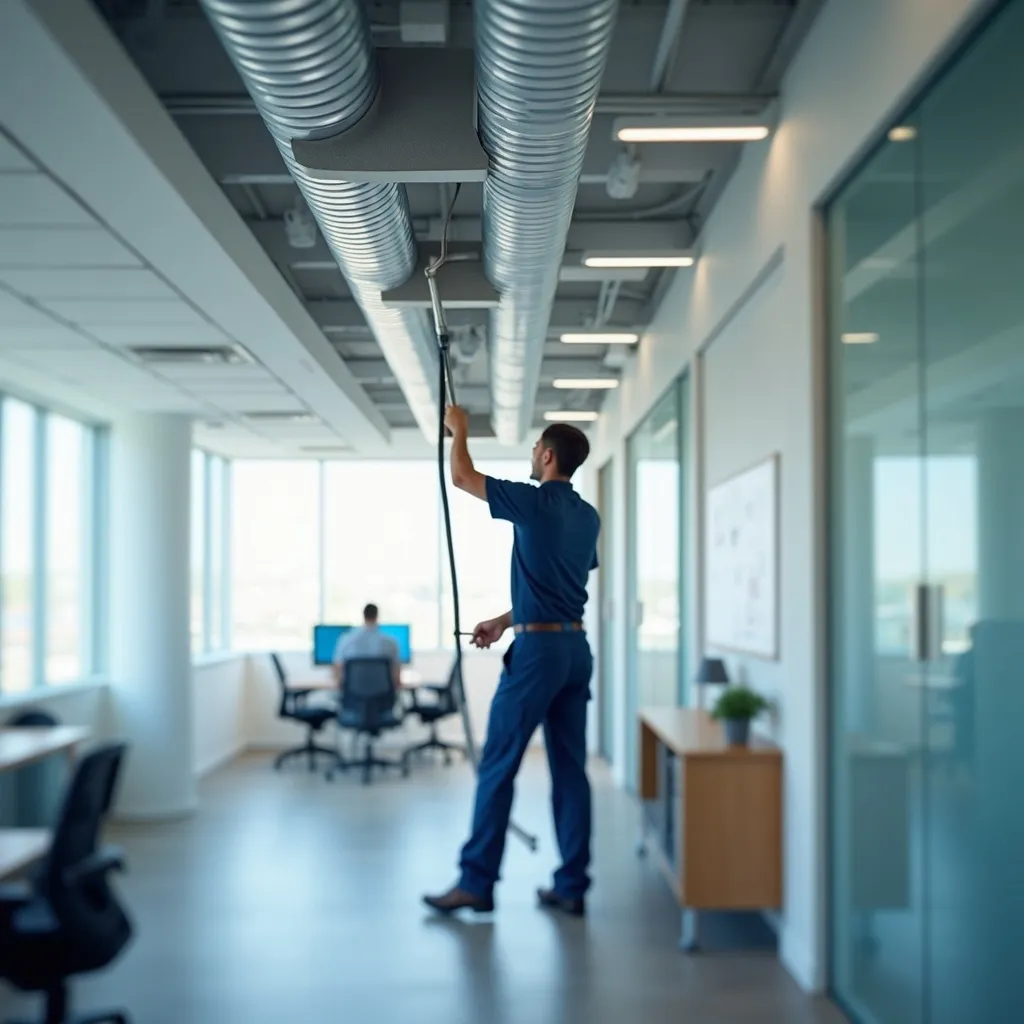
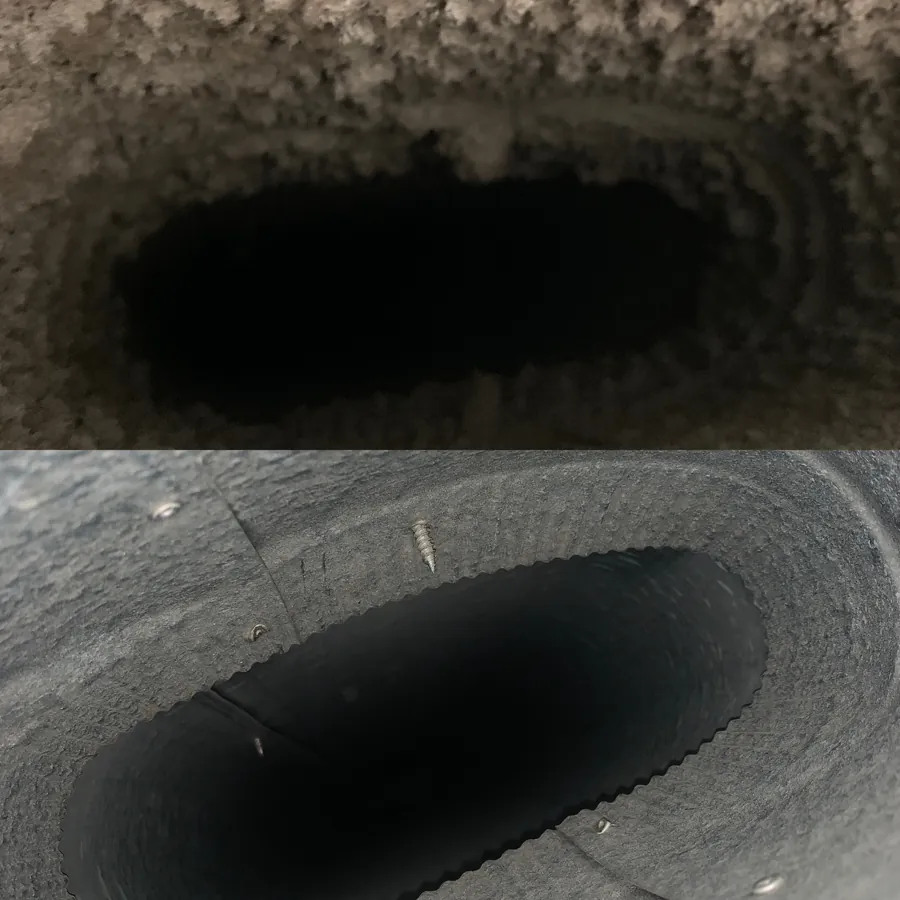
Air duct cleaning greatly enhances air purity inside homes, resulting in improved health for occupants. Over time, dirt, irritants, and harmful particles accumulate within the ductwork, moving throughout the air. This accumulation can exacerbate breathing difficulties, allergic reactions, and various health concerns. By removing these contaminants, air duct cleaning decreases the likelihood of airborne diseases and encourages a more salubrious home setting.
Moreover, pristine air ducts can enhance the efficiency of HVAC systems, leading to more consistent temperatures and reduced energy consumption. This not only promotes overall coziness but also reduces exposure to dangerous particles that can be discharged when systems are inadequately serviced.
Regular cleaning of air ducts guarantees that clean, fresh air moves throughout the home, enhancing better sleep, higher energy levels, and overall health. Ultimately, maintaining clean air ducts is an important step in protecting the health of all occupants.
Signals Your Ducts Require Cleaning?
Regular servicing of air ducts is important for sustaining a safe living environment. Homeowners should remain watchful for several red flags indicating that duct service is necessary.
One key indicator is visible dust or debris around vents or the air filter, pointing to accumulated dirt within the ducts. Additionally, if occupants encounter increased allergic reactions, such as sneezing or congestion, it may signal that pollutants are circulating in the air.
Foul scents issuing from vents may also suggest fungal growth or stagnant debris. Moreover, if the HVAC system is running poorly, demanding frequent repairs or causing inconsistent temperatures, dirty ducts could be the culprit.
Finally, a jump in power bills might point to a blocked system experiencing difficulty pushing air through. Noticing these symptoms can help confirm regular cleaning and sustain superior interior air standards.
DIY Air Duct Cleaning Equipment You Need
Keeping fresh air ducts necessitates the appropriate instruments to guarantee effective DIY upkeep. Vital tools for this project include a vacuum system equipped with a HEPA filter, which captures fine particles and allergenic substances.
A assortment of cleaning brushes, specifically designed for cleaning ducts, helps dislodge dirt and particles from the duct walls. Furthermore, a flashlight is invaluable for inspecting shadowy spaces in the duct system, ensuring thorough cleaning.
Protective gear, such as gloves and a respirator, is important to maintain safety while managing dust and possible contaminants. A set of screwdrivers is also essential for taking off vent covers and access panels.
A moist towel can finally be used to wipe down vent regions after servicing. Together, these equipment establish a thorough kit for anyone seeking to handle air duct cleaning safely and with efficiency.
Obtain Necessary Tools
Obtaining the appropriate tools is indispensable for an successful air duct cleaning operation. A superior vacuum cleaner with a HEPA filter is vital for purging dust and allergens.
A set of brushes, including a long-handled duct brush, helps dislodge debris from the duct walls. Adaptable duct cleaning rods can increase reach and enable access to hard-to-reach areas. Additionally, having a flashlight allows for thorough examination of the ducts' interiors.
Protective gear, such as gloves and masks, ensures safety while cleaning. Finally, a step ladder may be necessary for accessing higher vents.
Prepare Your Space
A carefully prepared space is crucial for an effective air duct cleaning service. First, the area around vents should be emptied of furniture and obstructions to enable easy access. This helps avert any damage to belongings and guarantees a thorough cleaning.
Following this, property owners should cover supply vents with plastic sheeting to contain dust and debris during the process. It is also advisable to turn off the HVAC system to avoid circulating contaminants.
Finally, positioning a vacuum equipped with a HEPA filter nearby can assist in capturing any particles loosened during cleaning. By implementing these measures, individuals establish an ideal environment that enables effective air duct cleaning and enhances overall results.
Completely Purify Ducts
Before starting the air duct cleaning process, it's important for homeowners to understand the progressive methodology that provides thoroughness and effectiveness.
To begin, you should assemble essential equipment, including a vacuum, brushes, and microfiber cloths. Then, disable the HVAC system to guarantee safety.
Finally, take off the vent covers and clean them with warm soapy water. By utilizing a vacuum cleaner, carefully remove dust and debris from the ducts. For deeper cleaning, employ duct brushes to eliminate stubborn particles.
After cleaning, reinstall the vent covers and change the air filter. Finally, turn the HVAC system back on and check for any unusual sounds.
Finding a Reputable Air Duct Care Service
How can one confirm that they pick a reliable air duct cleaning service? First, it is crucial to examine potential providers extensively. Verifying for accreditations, such as those from the National Air Duct Cleaners Association (NADCA), ensures clients of adherence to industry standards.
Next, procuring multiple quotes allows for a evaluation of services and pricing. A trustworthy company will conduct a meticulous inspection before providing an estimate, circumventing any deceptive low-cost deals.
Furthermore, inquire into the cleaning methods and equipment in use; a reputable service will employ advanced tools and techniques.
Lastly, verify the company maintains sufficient insurance and is bonded, protecting clients from potential damages.
How to maintain clean Air Ducts Year-Round
Keeping air ducts immaculate year-round is necessary for securing indoor air quality and effective system performance. Regular inspections are important; homeowners should monitor ducts for debris and dust accumulation every few months.
Using premium air filtration systems can greatly reduce pollutants, as these filters trap smaller debris that standard filters might overlook. It is recommended to replace these filters at least every three months or as recommended by the maker.
Furthermore, reducing indoor pollutants can help in maintaining duct cleanliness. This encompasses limiting activities that generate dust, such as cigarette use or using certain candles, and ensuring adequate ventilation when using cleaning products.
Consistent cleaning of the home, featuring vacuuming and dusting, helps minimize the amount of dust that could infiltrate the ducts. Finally, scheduling a professional cleaning every few years can additionally ensure that air ducts remain free from harmful buildup, fostering a improved indoor habitat.
Air Duct Maintenance: Costs vs. Positive Effects
Examining the costs and benefits of air duct cleaning uncovers valuable information for homeowners. The upfront cost usually falls from $300 to $1,000, based on factors like the size of the home and the complexity of the duct system.
While this might look substantial, the possible advantages often surpass the costs. Clean air ducts can boost indoor air quality, reducing allergens and irritants. This may lead to fewer respiratory issues and decreased healthcare costs over time.
In addition, a clean ductwork can maximize HVAC productivity, potentially minimizing energy bills by 10-30%. Homeowners should also consider the longevity of their HVAC systems.
Regular cleaning can extend the life expectancy of the equipment, decreasing the need for premature replacements. Ultimately, weighing the upfront costs versus long-lasting wellness advantages and power conservation can assist homeowners take educated choices regarding air duct cleaning.
Frequently Posed Questions
How Routine Should My Air Duct Maintenance Be?
Experts recommend maintaining your air duct system every 3 to 5 years. However, elements like pets, allergies, or recent renovations may necessitate more frequent cleanings. Regular maintenance ensures better air quality and system efficiency for optimal performance.
Can I Clean My Air Ducts Without Expert Assistance?
While it's possible to clean ducts on your own, DIY approaches may not achieve thorough results. The right equipment and procedures are essential for successful duct cleaning, making expert help frequently a more reliable choice for better indoor air quality.
What Could Be the Hazards Associated with Unclean Air Ducts?
Contaminated air ducts may result in inadequate indoor air quality, increasing allergens and pollutants. This can lead to respiratory issues, allergies, and overall discomfort. Additionally, built-up particles can reduce HVAC efficiency, raising energy costs.
Do Air Duct Purification Experts Include Certifications?
Many air duct cleaning services do provide pledges, affirming customer satisfaction. These pledges often include the standard of workmanship, providing comfort that the service will comply with established criteria and address any issues that occur post-cleaning.
Is Air Duct Cleaning a Valuable Expenditure?
Putting find out more money into air duct cleaning can prove worthwhile, as it boosts the quality of air inside your home, enhances HVAC performance, and may extend system life expectancy. Homeowners often notice clear benefits, making it a wise choice for many.